Utilizing Electricity for Bountiful Plots

Electroculture, a fascinating method , indicates that crops can benefit when exposed to mild electric charges. Some electroculture contend that this slight jolt promotes nutrient assimilation, resulting to quicker growth and potentially more production. While scientific validation is limited , numerous enthusiasts report astounding results in their personal patches , encouraging ongoing exploration of this unconventional system to agriculture and food production .
Getting Started to Electro-culture Gardening
Curious to try a unique gardening method ? Electro-culture gardening is harnessing subtle energies to boost plant development . This sounds futuristic, but the fundamental principles are surprisingly straightforward to understand . Typically, it features creating the grid of conductive wire over your crops, often connected to a gentle energy source. While rigorous proof exists limited, many gardeners report significant increases in plant health and productivity . This briefly examine the basics in upcoming sections.
Does Bio-Electrical Agriculture Actually Operate? Differentiating Truth and Myth
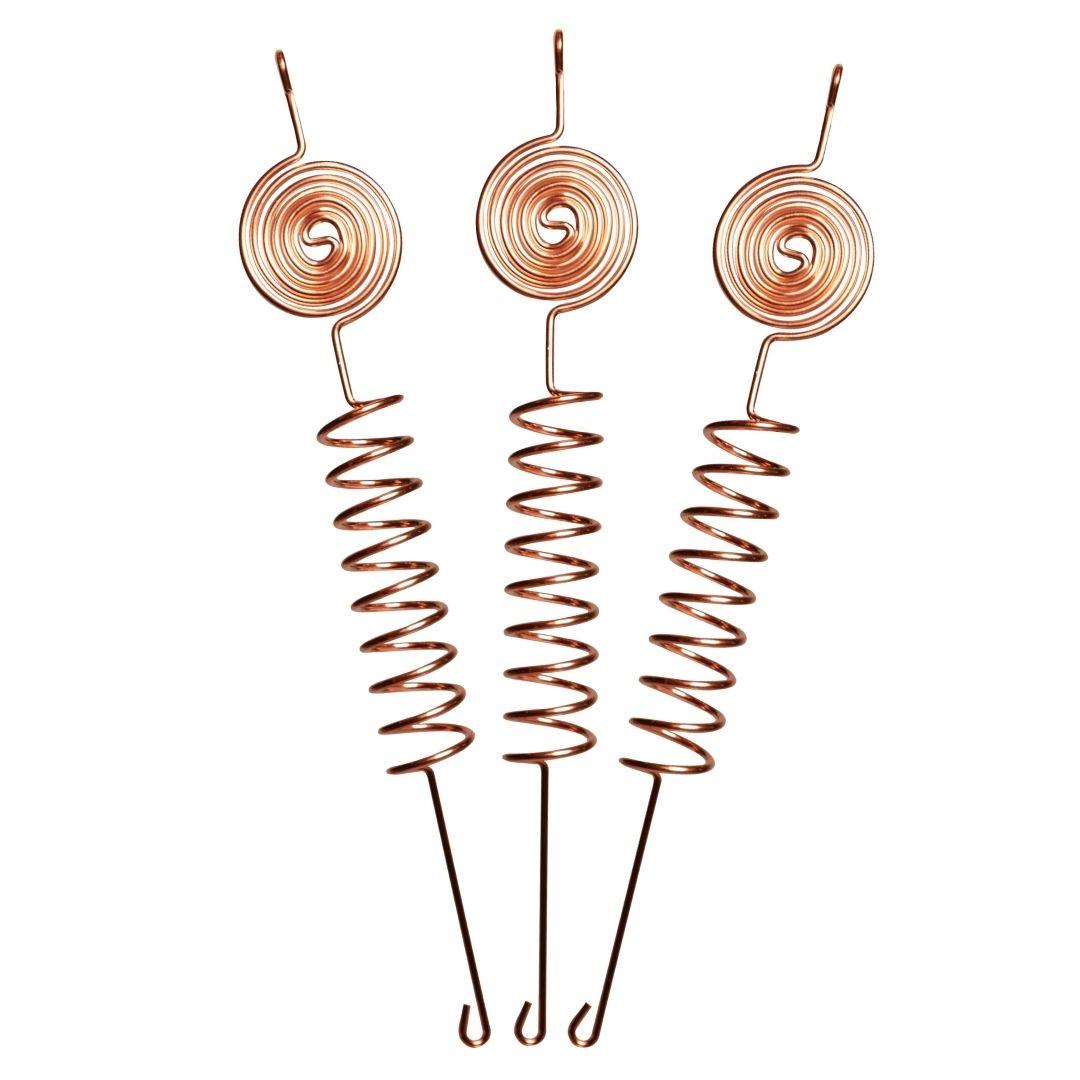
Electroculture, a process involving subtle electricity to enhance vegetation development, has generated considerable interest online. However, it's vital to carefully examine the statements and delineate legitimate results from dubious hype. While certain early experiments seem to indicate better yields, the objective basis stays mostly unclear. Several reportedly successes could be due to hidden influences, like the earth, water management, or straightforward coincidence. More rigorous study and official validation are needed to determine if electroculture is a dependable growing practice.
Setting up Your Own Bioelectrical Garden: A Step-by-Step Guide
Embarking towards the intriguing world of electroculture can appear daunting, but constructing your homemade electroculture garden is surprisingly manageable with a few basic steps. First, collect your materials: a container , copper strips, zinc sheet , water, and a electrical charge – a small battery or DIY cell can function . Next , place the copper and zinc encircling the water inside the container, ensuring they do not touch. The electrical field emitted between these metals is thought to encourage plant development . Finally, watch your plants and adjust the system as necessary – electroculture is as much dealing with experimentation as it is concerning following instructions .
Electrical Gardening vs. Conventional Horticulture : Which The Variation ?
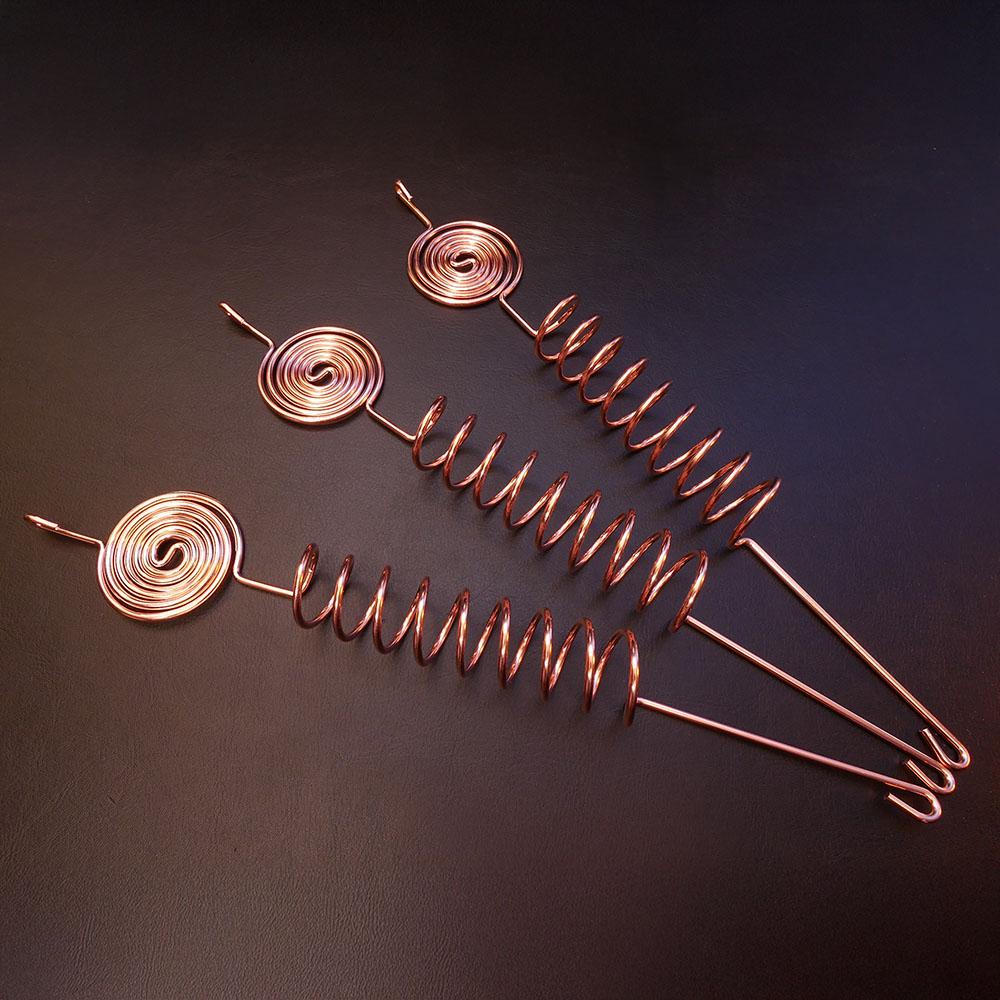
Many gardeners are investigating bio-electrical farming as an alternative to standard horticulture . While both pursue to cultivate thriving plants , they employ drastically different strategies. Traditional gardening relies on earth nutrients , illumination, and moisture , often with supplemental enhancements. In difference, bio-electrical farming utilizes a low electrical to energize crop development , potentially minimizing the requirement on earth and standard here nutrients . Finally , electrical gardening represents a relatively emerging area in agriculture possessing unique opportunities.
Boosting Plant Growth with Electroculture: Potential & Practicalities
Electroculture, a debated process proposing plant development through electrical currents , has sparked considerable attention amongst gardeners . Early reports claimed significant enhancements in harvest and overall plant health . While the specific mechanism remains unclear , some explanations direct to improved water uptake and nutrient distribution within the soil . Practical uses can range from simple DIY setups using copper and zinc terminals to more sophisticated systems . However, it’s vital to examine electroculture with care , acknowledging the limited peer-reviewed rigorous proof and potential hazards associated with faulty implementation. Further study is required to completely understand the possibility and restrictions of this captivating approach to agriculture .
- Potential benefits include increased yield and improved plant health.
- Consider the need for further research and scientific validation.
- Practical applications range from simple DIY systems to complex configurations.